

I Have a Home - Guitar edition
Ed Bolduc
Style: Concert / Festival
Level: 0
Accompaniment - []
$6.50
Scales for Keyboard Percussion
A Unique Approach to Learning Scales
Randy Eyles
Level: 0
Accompaniment - []
This unique method makes learning scales easy and develops musical creativity at the same time. While other instrumentalists learn fingerings, percussionists learn scale shapes to understand scale construction and to visualize their physical shape. With this highly organized and systematic approach, students will become scale-proficient in no time as they learn 60 scales in Section One and 120 scales in Section Two. That’s 180 scales used in classical, jazz, bebop, Latin, rock, and pop music!_x000D_
_x000D_
With this edition, students will learn:_x000D_
_x000D_
_x000D_
Major scales using scale shapes_x000D_
Tetrachords using whole steps and half steps_x000D_
Chromatic scale_x000D_
Whole tone scale_x000D_
Pentatonic scale_x000D_
Melodic minor scale_x000D_
Natural minor scale_x000D_
Harmonic minor scale_x000D_
Blues scale_x000D_
Dominant 7 scale_x000D_
Dominant bebop 7 scale_x000D_
Major bebop scale_x000D_
Minor bebop scale_x000D_
Diminished scale_x000D_
_x000D_
_x000D_
_x000D_
_x000D_
_x000D_
While many texts introduce scales, few are organized in a way that reflects teaching philosophy so clearly. Randy Eyles and Meredith Music Publications have developed a short text that is fun, focused, and an incredible resource for educators, especially those looking to introduce scales in one-on-one or group settings. . . . Congrats to Randy Eyles for this unique and interesting approach to learning and practicing scales._x000D_
_x000D_
—Quintin Mallette_x000D_
Percussive Notes, February 2026_x000D_
$16.95
Beyond the Baton
Programming, Interpretation, Performance, Leadership, and Musical Taste for Wind Band/Ensemble Conductors
Frank Battisti
Level: 0
Accompaniment - []
In many ways, this book is an expansion of Guide to Score Study for the Wind Band Conductor, co-authored by Frank Battisti and Robert Garofalo in 1990. In this companion volume, Battisti emphasizes the importance of a conductor’s imagination, personality, and dedication as it relates to programming, interpretation, performance, and musical leadership. The book’s discussions are augmented by comments from the following esteemed conductors:_x000D_
_x000D_
Thomas Duffy • Richard Floyd • Michael Haithcock • Craig Kirchhoff • Courtney Snyder • Emily Threinen_x000D_
_x000D_
Chapters include:_x000D_
_x000D_
_x000D_
The Art of Programming_x000D_
The Challenges, Skills, Knowledge, and Experiences of the Recreative Artist/Conductor_x000D_
Composer, Artist, and Conductor: Thoughts and Ideas Concerning Interpretation and Performance_x000D_
Readings of the Score: Developing a “Feelingful” Image of a Work_x000D_
Guide to a Score’s Musical Components_x000D_
Intellectual Study and Analysis of a Score’s Musical Components_x000D_
Formulating an Interpretation: Transforming a Score’s Notation into What a Composer Intended_x000D_
Performance_x000D_
The Conductor as Leader_x000D_
The Quest for Good Music: The Intersection of Personal Taste and Aesthetic Criteria_x000D_
_x000D_
_x000D_
Click here to download the flow chart for "Alsace-Lorraine."
$22.95
We Gather
Paulo K. Tiról
Style: Concert / Festival
Series: Celebration
Level: E/M
Accompaniment - ["Keyboard"]
$2.35
The Angel's Farewell
Mark Scozzafave
Style: General Anthem
Series: Choral
Level: E/M
Accompaniment - ["Piano"]
$2.35
Habits of a Successful Intermediate Band Musician - Electric Bass
The Second Book in the HABITS Band Series
Scott Rush, Jeff Scott
Series: Habits
Accompaniment - []
Habits of a Successful Intermediate Band Musician is a field-tested, vital, and—most important—musical collection of 172 sequenced exercises for the intermediate band student. Features include:_x000D_
_x000D_
_x000D_
Melodic contouring to shape phrases and develop expression._x000D_
A focus on range development and timing exercises with more rests._x000D_
Teacher tips for each exercise._x000D_
More work in Concert C, D-flat, and G._x000D_
More sequenced diatonic solfege that begins on the first day of instruction._x000D_
One-octave scale studies in twelve keys._x000D_
Sequential rhythm charts embedded in the book. These same rhythms are then presented with pitches for a seamless transfer to the music students are performing._x000D_
Slower pacing of scaffolded concepts._x000D_
An emphasis on rhythm vocabulary, aural literacy, and the components of playing (the “three buckets”)._x000D_
An introductory exercise for developing vibrato._x000D_
Expanded whole tone scales._x000D_
Left (L) and right (R) indicators for woodwinds, along with appropriate chromatic alternate fingering indicators._x000D_
Rhythm charts in simultaneous coordinating lines to promote part independence._x000D_
Guided questions to encourage student-centered instruction._x000D_
Rhythm vocabulary that progresses through dotted quarter–eighth, sixteenth-note denominations, cut time, and 6/8 time._x000D_
New supplemental exercises with an expanded rhythm curriculum._x000D_
Technique and skill-building exercises embedded within the method, which help to prepare students for future Habits exercises._x000D_
_x000D_
_x000D_
_x000D_
_x000D_
_x000D_
Habits of a Successful Intermediate Band Musician is a must for middle school bands. This comprehensive series includes everything directors need to develop student skills, including technique-building exercises and scale studies in all major keys, and rhythm charts with coordinating melodic studies. It even introduces melodic contouring to assist students with developing musical expression. The teacher tips are perfect for directors looking for innovative ideas on how to approach teaching these concepts._x000D_
_x000D_
—Dr. Jennifer Compton Lambert_x000D_
Director of Bands, River Trail Middle School_x000D_
Johns Creek, Georgia_x000D_
_x000D_
_x000D_
_x000D_
Habits of a Successful Intermediate Band Musician is an excellent addition to any band program’s curriculum. The warm-ups, rhythm studies, and songs are meticulously sequenced to develop the individual skills of students. We have witnessed this firsthand as students have successfully prepared for all-district and all-region auditions._x000D_
_x000D_
—Gregory Denson_x000D_
Director of Bands, Cheek Middle School_x000D_
Aubrey, Texas_x000D_
$12.95
Habits of a Successful Intermediate Band Musician - String Bass
The Second Book in the HABITS Band Series
Scott Rush, Jeff Scott
Series: Habits
Accompaniment - []
Habits of a Successful Intermediate Band Musician is a field-tested, vital, and—most important—musical collection of 172 sequenced exercises for the intermediate band student. Features include:_x000D_
_x000D_
_x000D_
Melodic contouring to shape phrases and develop expression._x000D_
A focus on range development and timing exercises with more rests._x000D_
Teacher tips for each exercise._x000D_
More work in Concert C, D-flat, and G._x000D_
More sequenced diatonic solfege that begins on the first day of instruction._x000D_
One-octave scale studies in twelve keys._x000D_
Sequential rhythm charts embedded in the book. These same rhythms are then presented with pitches for a seamless transfer to the music students are performing._x000D_
Slower pacing of scaffolded concepts._x000D_
An emphasis on rhythm vocabulary, aural literacy, and the components of playing (the “three buckets”)._x000D_
An introductory exercise for developing vibrato._x000D_
Expanded whole tone scales._x000D_
Left (L) and right (R) indicators for woodwinds, along with appropriate chromatic alternate fingering indicators._x000D_
Rhythm charts in simultaneous coordinating lines to promote part independence._x000D_
Guided questions to encourage student-centered instruction._x000D_
Rhythm vocabulary that progresses through dotted quarter–eighth, sixteenth-note denominations, cut time, and 6/8 time._x000D_
New supplemental exercises with an expanded rhythm curriculum._x000D_
Technique and skill-building exercises embedded within the method, which help to prepare students for future Habits exercises._x000D_
_x000D_
_x000D_
_x000D_
_x000D_
_x000D_
Habits of a Successful Intermediate Band Musician is a must for middle school bands. This comprehensive series includes everything directors need to develop student skills, including technique-building exercises and scale studies in all major keys, and rhythm charts with coordinating melodic studies. It even introduces melodic contouring to assist students with developing musical expression. The teacher tips are perfect for directors looking for innovative ideas on how to approach teaching these concepts._x000D_
_x000D_
—Dr. Jennifer Compton Lambert_x000D_
Director of Bands, River Trail Middle School_x000D_
Johns Creek, Georgia_x000D_
_x000D_
_x000D_
_x000D_
Habits of a Successful Intermediate Band Musician is an excellent addition to any band program’s curriculum. The warm-ups, rhythm studies, and songs are meticulously sequenced to develop the individual skills of students. We have witnessed this firsthand as students have successfully prepared for all-district and all-region auditions._x000D_
_x000D_
—Gregory Denson_x000D_
Director of Bands, Cheek Middle School_x000D_
Aubrey, Texas_x000D_
$12.95
Savior, Like a Shepherd Lead Us - Instrument edition
Edwin R. Taylor, William B. Bradbury
Style: General Anthem
Level: 0
Accompaniment - []
$5.00
Psalm 118 - Guitar edition
J. Oconer Navarro
Style: General Anthem
Level: 0
Accompaniment - []
$7.50
Mary Laid Her Baby Down
Gordon Light, Andrew Donaldson
Style: Advent / Christmas
Series: Choral
Level: E/M
Accompaniment - ["Keyboard"]
$2.60
The Christ Child - SSA edition
Daniel C. Meyer
Style: Advent / Christmas
Series: Christmas
Level: E/M
Accompaniment - ["Piano"]
$2.60
In the First Light
Bob Kauflin, Jeffrey Honoré
Style: Advent / Christmas
Series: Voices
Level: E/M
Accompaniment - ["Keyboard"]
$2.90
Lift Up Your Heads, Ye Mighty Gates
Robert Farrell
Style: Advent / Christmas
Series: Choral
Level: E/M
Accompaniment - ["Organ"]
The assembly and trumpet parts are optional.
$2.35
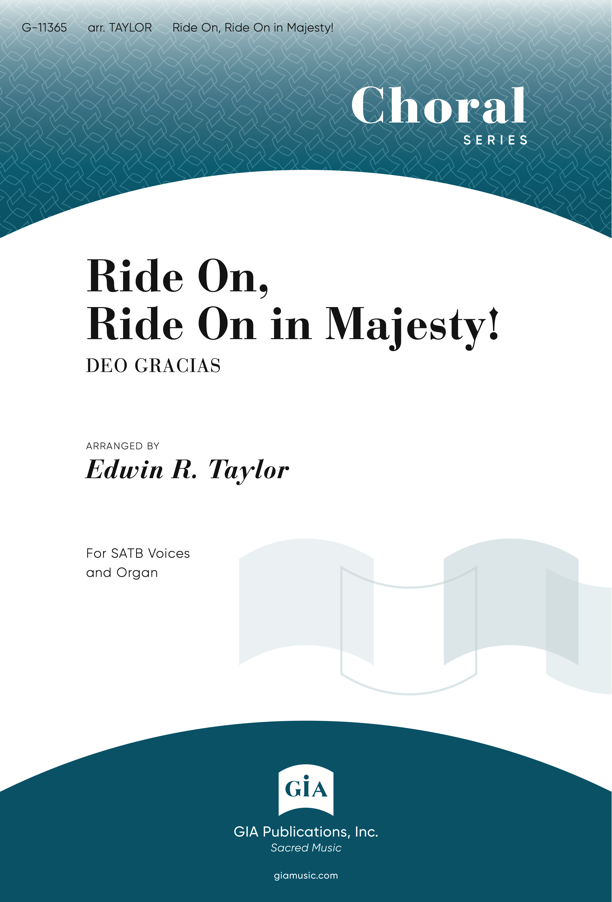
Ride On, Ride On in Majesty!
Edwin R. Taylor
Style: Concert / Festival
Series: Choral
Level: E/M
Accompaniment - ["Organ"]
$2.60
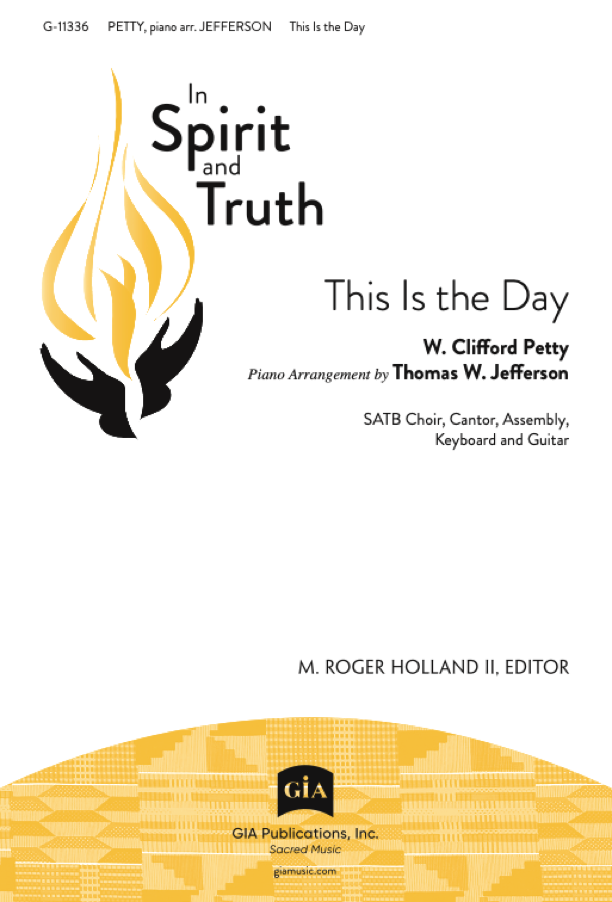
This Is the Day - Guitar edition
W. Clifford Petty, Thomas W. Jefferson
Style: Concert / Festival
Level: 0
Accompaniment - []
$6.50
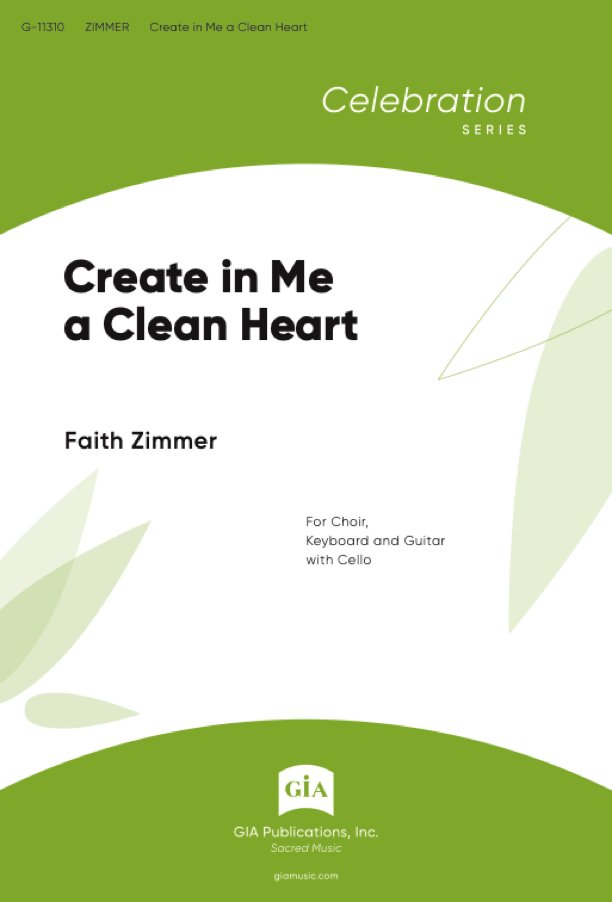
Create in Me a Clean Heart - Instrument edition
Faith Zimmer
Style: Concert / Festival
Level: 0
Accompaniment - []
$5.00
Create in Me a Clean Heart - Guitar edition
Faith Zimmer
Style: Concert / Festival
Level: 0
Accompaniment - []
$6.50
Sweet Hour of Prayer - Instrument edition
William B. Bradbury, Lisa Hoekstra
Style: General Anthem
Level: 0
Accompaniment - []
$8.00
Blessed Be God - Guitar edition
Acclamations, Hymns and Chants for the OCIA
Tony Alonso
Style: General Anthem
Level: 0
Accompaniment - []
$14.50
Resurrection Hymns for Organ
Sing with All the Saints in Glory / Thine Is the Glory / Christ the Lord Is Risen Today
Ludwig van Beethoven, George Frederic Handel, Daniel Burton
Style: Lent / Easter
Level: E/M
Accompaniment - []
The three hymns in this collection, “Sing with All the Saints in Glory,” “Thine Is the Glory,” and “Christ the Lord Is Risen Today,” are among the most beloved of the Easter season, not only for their textual content but also for the strength of their musical settings. The organ compositions presented here are extended variations on these familiar melodies and can serve as prelude or postlude at the start Eastertide or during its fifty-day celebration.
$18.00
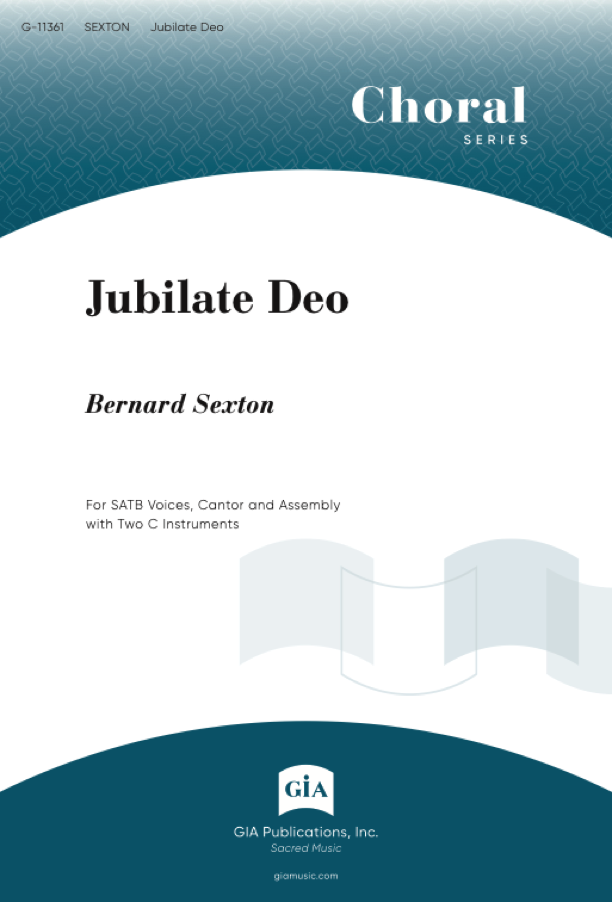
Jubilate Deo
Bernard Sexton
Style: Concert / Festival
Series: Choral
Level: E/M
Accompaniment - ["Reduction"]
$2.10